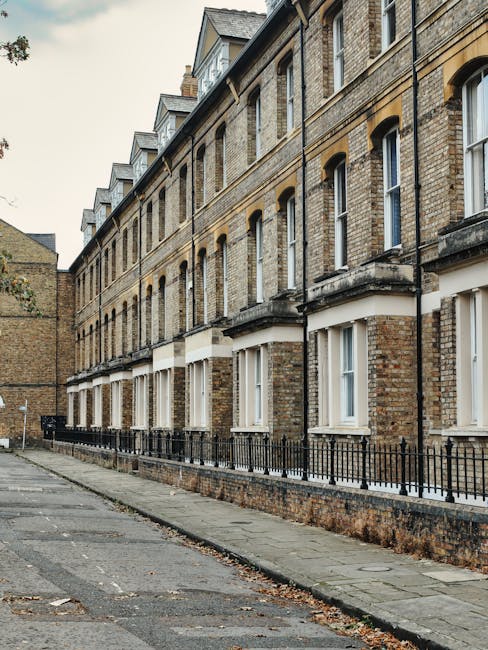
Bermondsey Street End of Tenancy Cleaning Experts
Moving out is rarely as simple as boxing things up and handing over the keys. There's always one more cupboard, one more smear on the hob, one more dusty skirting board you somehow stopped noticing weeks ago. That is exactly where Bermondsey Street end of tenancy cleaning experts earn their keep. They're the people you call when the place needs to look properly reset for the next tenant, landlord inspection, or inventory check, not just "tidy enough".
This guide breaks down what end of tenancy cleaning actually involves, why it matters on Bermondsey Street, how the process works, and what to look for before booking a cleaner. If you want a better chance of a smooth handover, less stress, and a result that holds up under close inspection, you're in the right place.
Contents
- Why Bermondsey Street end of tenancy cleaning experts Matters
- How Bermondsey Street end of tenancy cleaning experts Works
- Key Benefits and Practical Advantages
- Who This Is For and When It Makes Sense
- Step-by-Step Guidance
- Expert Tips for Better Results
- Common Mistakes to Avoid
- Tools, Resources and Recommendations
- Law, Compliance, Standards, or Best Practice
- Options, Methods, or Comparison Table
- Case Study or Real-World Example
- Practical Checklist
- Conclusion
- Frequently Asked Questions
Why Bermondsey Street end of tenancy cleaning experts Matters
End of tenancy cleaning is not the same as regular domestic cleaning. That sounds obvious, but people still get caught out. A weekly clean keeps a home comfortable. An end of tenancy clean is about returning a property in a condition that meets the expectations of landlords, letting agents, and inventory clerks. On Bermondsey Street, where flats and converted properties can have compact kitchens, busy entryways, and plenty of hard-to-reach corners, the details matter even more.
Why does it matter so much? Because the final inspection often focuses on what looks missed rather than what looks generally clean. A spotless worktop can be let down by a greasy extractor fan. A polished bathroom can still be flagged if the grout is stained or the shower screen has limescale. Truth be told, these are the things that get noticed first.
Experienced end of tenancy cleaners understand that the job is partly visible and partly strategic. They know where checks usually happen, what tends to be overlooked, and how to bring a property back to a standard that feels move-in ready. That practical awareness saves time and, in many cases, saves hassle at the deposit stage.
Expert takeaway: End of tenancy cleaning is less about making a home look "clean enough" and more about making sure no obvious detail gives the next viewer, landlord, or inspector a reason to pause.
How Bermondsey Street end of tenancy cleaning experts Works
A proper end of tenancy clean follows a method, not a mood. The cleaner usually starts with a walkthrough or an agreed checklist, then works room by room from top to bottom so dust and debris don't get moved around twice. That sounds basic, but it is exactly the sort of thing that separates a rushed clean from a dependable one.
Most professional teams begin with the kitchen and bathroom because these areas typically need the most detail work. Ovens, hobs, sinks, taps, splashbacks, appliance fronts, shower glass, toilets, and limescale-prone fittings all require different products and a bit of patience. Bedrooms and living spaces come next, with attention to dusting, internal windows, skirting boards, switches, doors, and hidden ledges.
In a Bermondsey Street property, the job can also involve dealing with compact layouts, awkward corners, laminate floors, or older fittings that need a careful touch. You don't want a cleaner blasting through with the wrong product and leaving streaks or dull patches. Not exactly the goal, is it?
A good service normally includes:
- full kitchen degreasing and appliance cleaning
- bathroom descaling and sanitising
- dust removal from accessible surfaces and fittings
- vacuuming and floor cleaning
- internal glass and mirror cleaning
- spot cleaning of doors, frames, and switches
- final quality check before handover
Some properties need more, some less. The important thing is that the cleaning is tailored to the actual condition of the place, not just a generic checklist copied from a brochure.
Key Benefits and Practical Advantages
The obvious benefit is cleaner rooms. But the real value goes beyond appearances. Good end of tenancy cleaning can reduce last-minute panic, improve the chance of a smoother checkout, and make the move feel less chaotic. If you've ever tried to scrub an oven while someone is loading boxes into a van downstairs, you'll know why people bring in experts.
Here are the practical advantages people usually care about most:
- Better handover confidence: You're not wondering whether the skirting boards or behind-the-radiator dust will be noticed.
- Less moving-day stress: Professional help takes a large physical and mental load off your plate.
- More consistent results: Trained cleaners work to a repeatable standard, which matters when time is short.
- Useful for inventories: A cleaner property tends to compare better with the move-in report.
- Time efficiency: What might take you a full weekend can often be handled more efficiently by a team.
There's also the simple psychological relief of knowing the place has been properly dealt with. Once the cleaning is done, you can focus on keys, checkout times, and the rest of the move. That relief is worth quite a lot, especially at the end of a long tenancy.
Who This Is For and When It Makes Sense
End of tenancy cleaning is not just for people who have left a property in a mess. In fact, many careful tenants book it because they want a clean, defensible finish before inspection day. It makes sense for:
- tenants moving out at the end of a lease
- flat sharers who need to hand back a property as a group
- landlords preparing a home for new occupants
- letting agents arranging a turnaround between tenancies
- homeowners who have rented out a property and want a reset before sale or re-listing
It is especially sensible when the move-out window is tight. Bermondsey Street properties can turn over quickly, and if you only have a few hours between packing and handing back the keys, a professional clean is often the calmest option.
It also makes sense when the property has stubborn issues: baked-on oven residue, limescale, pet hair, nicotine staining, or a bathroom that has not been deep-cleaned for some time. These are the sorts of problems where general cleaning effort starts to wobble a bit. In those cases, expert help is usually the better bet.
And yes, if you have already done a good general clean yourself, that still helps. Professionals are not there to undo your work; they're there to finish it properly.
Step-by-Step Guidance
If you want to prepare properly for an end of tenancy clean, it helps to understand the process from both sides. Here's a practical step-by-step view.
- Check the inventory and tenancy agreement. Look at what condition the property was in at the start and what your agreement expects at the end.
- Remove belongings first. Cleaning is always easier when the property is empty, or close to empty. Small items left behind always seem to multiply, don't they?
- Flag any special problem areas. Tell the cleaner about stains, limescale, pet issues, damaged surfaces, or hard-to-reach spaces.
- Confirm the scope of work. Make sure you know whether ovens, internal windows, fridges, freezers, wardrobes, or carpets are included.
- Allow enough time. Rushed cleaning usually shows. A proper schedule makes a real difference.
- Do a final check after the clean. Walk through each room while the property is still empty and well lit.
One useful detail people often miss: the best time to inspect is before the moving van disappears. That way, if you notice a small issue, it can be dealt with immediately. Later on, it becomes a lot more awkward.
What a thorough room-by-room clean usually covers
Kitchen: cupboards outside and inside where agreed, worktops, splashbacks, sink, taps, hob, oven, extractor fan exterior, appliance fronts, and floors.
Bathroom: toilet, basin, bath or shower, taps, tiles, screens, mirrors, descaling, and floor edges.
Bedrooms and living areas: dusting, vacuuming, skirting boards, window sills, internal glass, and spot cleaning of marks.
Hallways and stairs: handrails, edges, switches, and floors, especially where shoes and bags have left marks over time.
Expert Tips for Better Results
There are a few small things that consistently improve the final outcome. Nothing flashy. Just the sort of sensible steps that save time and reduce surprises.
- Book before the last day. If the cleaner arrives after the removals van, the job is usually easier and more effective.
- Defrost fridges and freezers early. If these need cleaning, give them time to thaw safely and fully.
- Leave utilities on where needed. Water and electricity may be required for a proper clean, particularly for appliances and lighting.
- Lift light items off surfaces. It lets cleaners work faster and see what they're dealing with underneath.
- Point out fragile finishes. Older paint, soft stone, and delicate fittings need the right approach.
- Keep communication simple. A short list of problem areas is usually more helpful than a long ramble. Quick, clear, done.
Also, if you're comparing providers, ask how they handle re-cleans or inspection issues. A professional approach should be clear about what happens if something is missed. That sort of clarity matters more than slick sales talk.
Common Mistakes to Avoid
End of tenancy cleaning can go sideways in predictable ways. The good news? Most of them are avoidable.
- Leaving it too late: A same-day clean after moving out can be messy, rushed, and stressful.
- Assuming a standard clean is enough: It usually isn't. End of tenancy work is more detailed.
- Ignoring appliances: Ovens and fridges are frequent inspection pain points.
- Forgetting hidden areas: Behind radiators, around taps, and under furniture all matter.
- Not confirming what's included: If carpets, upholstery, or balcony areas matter, make sure they're discussed in advance.
- Using the wrong products at home: Harsh chemicals can damage finishes and create more problems than they solve.
A very common one is people deep-cleaning the obvious bits and leaving the boring bits. The boring bits are exactly what gets noticed. Skirting, corners, tops of cabinets, behind the loo, the inner edges of the shower screen. Not glamorous. Very important.
Tools, Resources and Recommendations
Professional cleaners use a mix of equipment and products chosen for the surface, not just the stain. That means different solutions for glass, stainless steel, ceramic, grout, laminate, and painted wood. Good tools make the work safer and more effective, especially in busy city homes where surfaces can vary from room to room.
Common tools and materials include:
- microfibre cloths for dust and polish
- vacuum cleaners with appropriate attachments
- mops and floor-safe cleaning solutions
- degreasing products for kitchen build-up
- descalers for taps, shower screens, and tiles
- detail brushes for corners, tracks, and fittings
- scrapers used carefully on suitable surfaces
If you are preparing the property yourself before a booked clean, a few simple supplies usually go a long way: a vacuum, multipurpose spray, cloths, a gentle bathroom descaler, and a sponge that won't scratch. Keep it basic. Overcomplicating your cleaning kit is a fast route to a cupboard full of half-used bottles and mild regret.
Also, if you need other property-care help alongside the final clean, it can be useful to compare related home services. For example, some customers look at domestic cleaning in London when they want recurring upkeep before the move-out stage, or office cleaning solutions if they are managing a mixed-use property or rental unit with workspace areas. The right service depends on the exact setting, of course.
Law, Compliance, Standards, or Best Practice
While end of tenancy cleaning is not usually a legal dispute in itself, it sits close to tenancy obligations, inventory evidence, and property handover expectations. In practice, the important question is whether the property is returned in a condition consistent with the tenancy agreement and the original check-in record.
Best practice in the UK generally means keeping the cleaning thorough, safe, and proportionate to the condition of the property. That includes using suitable products on specific surfaces, avoiding damage, and leaving the home hygienic and presentable. For landlords and agents, a consistent process helps avoid avoidable arguments at checkout. For tenants, it provides a sensible way to show the property was returned responsibly.
If a tenancy agreement specifies a professional clean, or if the inventory notes a high standard at move-in, then matching that standard is usually wise. Even where a professional clean is not explicitly required, the move-out condition should still be judged against fairness and the tenancy terms. The details can matter. They often do.
One practical point: document the clean with photos after the property is finished and before the keys are handed over. It is not dramatic, just sensible. A few clear images can be very helpful if a question comes up later.
Options, Methods, or Comparison Table
Not every move-out situation needs the same approach. Some people do a full DIY clean, some hire a specialist team, and some use a hybrid method where they handle light prep and bring in experts for the heavy work. Here is a straightforward comparison.
| Option | Best for | Strengths | Limitations |
|---|---|---|---|
| DIY end of tenancy clean | Tidy homes, flexible timelines, budget-conscious moves | Lower direct cost, full control over timing | Time-consuming, easy to miss details, physically demanding |
| Professional end of tenancy cleaners | Strict handovers, limited time, inspection-sensitive properties | Detailed finish, efficient process, less stress | Higher upfront cost than DIY |
| Hybrid approach | People who want to save money but still need expert help | Can reduce cost while keeping standards high | Requires coordination and clear division of tasks |
To be fair, the best option often comes down to time and risk. If you have a simple studio and plenty of spare hours, DIY may be manageable. If the property has a demanding checkout, tricky stains, or a tight deadline, an expert clean usually makes more sense.
Case Study or Real-World Example
Here's a realistic move-out scenario. A tenant in a Bermondsey Street flat has a Friday checkout and a removal company booked for Thursday afternoon. The kitchen has light grease around the hob, the bathroom has limescale on the shower screen, and the bedroom skirting boards have picked up dust from months of open windows and foot traffic.
The tenant does the obvious prep first: belongings are removed, surfaces are cleared, bins are emptied, and the fridge is defrosted in advance. Then a professional end of tenancy cleaning team takes over. They start with the kitchen, treat the hob and extractor area, detail the bathroom fittings, clean the internal glass, and finish by vacuuming and mopping the floors. A final inspection catches a smudge on a mirror and a missed corner behind a door, both of which are corrected straight away.
The result is not magical. It is methodical. And that is the point. The place looks clean because it was cleaned properly, not because someone made a frantic effort at 11:30 p.m. with a bottle of all-purpose spray and a growing sense of despair.
The useful lesson here is simple: preparation matters, but process matters more. The right team can turn a stressful handover into a calm one, especially when time is tight and expectations are clear.
Practical Checklist
Use this checklist before and during your end of tenancy clean. It keeps the process grounded and stops little jobs from slipping through the cracks.
- Remove all personal belongings from cupboards, shelves, and drawers
- Check the tenancy agreement and inventory for required cleaning standards
- Defrost the fridge and freezer if they are being cleaned
- Empty all bins and remove leftover food
- Wipe obvious marks from walls, switches, and doors where safe to do so
- Ensure water and electricity are available if the cleaner needs them
- Tell the cleaner about stains, damage, or delicate surfaces
- Confirm whether carpets, upholstery, or appliances are included
- Allow time for a final walkthrough after cleaning
- Take photos once the property is ready for handover
Quick reality check: if the checklist feels long, that is normal. End of tenancy cleaning is one of those jobs that looks straightforward until you start noticing what actually needs doing.
Conclusion
Bermondsey Street end of tenancy cleaning experts provide more than a polished finish. They offer structure, attention to detail, and a way to complete the move-out process without the usual last-minute scramble. For tenants, that can mean greater confidence at checkout. For landlords and agents, it can mean a quicker turnaround and fewer avoidable issues. For everyone involved, it simply makes the handover less fraught.
What matters most is choosing a service that understands the difference between general tidying and a proper end of tenancy clean. Look for clarity, practical knowledge, and a methodical approach. Ask what's included. Ask how they handle problem areas. And if you are preparing the property yourself, start early and keep it simple.
Move-outs can feel a bit relentless, especially in a busy part of London, but a well-executed clean brings a real sense of closure. The flat is ready, the keys are nearly handed over, and that chapter can finally close on good terms.
Get a free quote today and see how much you can save.
Frequently Asked Questions
What does an end of tenancy clean usually include?
It usually covers a deep clean of kitchens, bathrooms, floors, surfaces, internal glass, skirting boards, and other agreed areas. The exact scope depends on the property and the service booked.
How is end of tenancy cleaning different from regular cleaning?
Regular cleaning keeps a home maintained. End of tenancy cleaning is more detailed and focuses on returning the property to a handover-ready standard, often with extra attention on appliances, limescale, grease, and hidden areas.
Do I need professional end of tenancy cleaners in Bermondsey Street?
Not always, but professional help makes a lot of sense if the move is time-sensitive, the property is large or detailed, or you want a better chance of meeting inspection expectations.
Should I clean before the cleaners arrive?
Yes, but only basic prep is usually needed. Remove belongings, empty cupboards, and clear surfaces. That lets the cleaners focus on the real deep-clean work.
How long does an end of tenancy clean take?
It depends on the size and condition of the property. A small flat may be quicker than a larger family home, but the final timing always depends on how much detail is required.
Can end of tenancy cleaning help with my deposit?
It can help by reducing the chance that cleaning issues are raised during checkout. That said, deposit decisions also depend on the tenancy agreement, inventory record, and the overall condition of the property.
What if the property has stubborn stains or heavy limescale?
That is exactly when specialist cleaners are useful. Stubborn build-up often needs the right products, technique, and a bit of patience. Sometimes more than a bit, frankly.
Do I need to defrost the fridge and freezer first?
If they are being cleaned, yes. Defrosting in advance helps the job go more smoothly and avoids water building up during the clean.
Can I book end of tenancy cleaning before moving out?
Yes, and in many cases that is the better option. Booking it for after the property is emptied usually gives the best result and the least stress.
What should I look for when choosing Bermondsey Street end of tenancy cleaning experts?
Look for clarity about what is included, a sensible cleaning process, experience with move-out standards, and an approach that feels thorough rather than rushed. A good provider should be able to explain how they handle kitchens, bathrooms, and inspection-sensitive details.
Is it worth combining end of tenancy cleaning with other cleaning services?
Sometimes, yes. If the property also needs regular upkeep before the move, or if you are dealing with a mixed-use space, comparing related cleaning options can be useful. The right mix depends on what the property actually needs, not what sounds convenient on paper.
What is the best time to inspect the property after cleaning?
Ideally, inspect it while the property is still empty and before the keys are handed over. That gives you time to spot any small issues and deal with them straight away.
At the end of the day, a good move-out clean is about leaving things in decent shape and moving on without unnecessary drama. Nice and simple, really.